
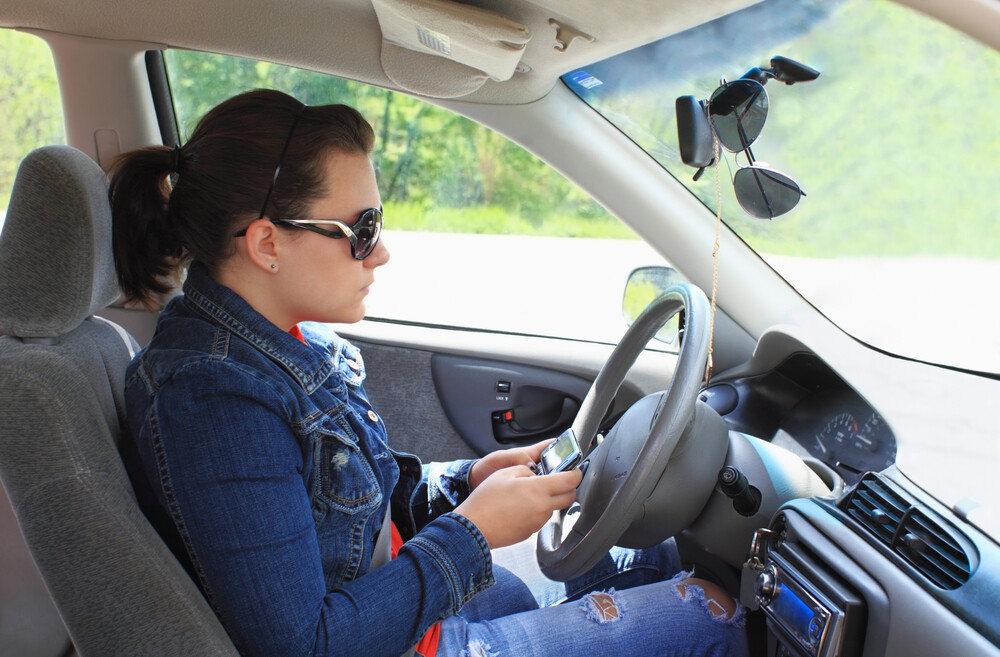
Colorado Springs Teen Drivers Can Be Dangerous
Inexperienced teen drivers cause some of the most serious and deadly accidents on our roads. According to the CDC, teen drivers ages 16 to 19 have a fatal crash rate almost three times as high as drivers ages 20 and older per mile driven. And the risk is even higher for the youngest drivers. The fatal crash rate per mile driven for 16-17 year-olds is about 3 times the rate for drivers 20 and older, with risk highest at age 16.
Motor vehicle crashes continue to be the number one cause of preventable death for U.S. teens, with an estimated 3,048 teen deaths in 2023, averaging eight deaths per day. Closer to home, more than 8,000 teen drivers were involved in crashes in Colorado in 2024, approximately 23 every day. The number of fatal crashes involving teen drivers reached 119 in 2023, an increase of 59% over the last five years. These numbers make clear that teen driving safety is not just a national issue but a very real and growing concern right here in Colorado Springs. If your family has been affected by a crash caused by a teen driver, our Colorado Springs car accident attorneys are here to help.
Why Are Teenage Drivers At Risk?
A number of studies have evaluated why teenagers are disproportionately involved in fatal crashes. Distracted driving is a major factor. 11% of all drivers under 20 involved in fatal crashes were reported as distracted, making this age group the one with the largest proportion of distracted drivers. Teens are also far more likely to be using their phones behind the wheel than they admit. Almost a third of teen drivers acknowledge texting while driving, and the actual number is likely significantly higher.
The number of passengers in the car is another critical risk factor. Research shows that teens driving with other teens are significantly more likely to be involved in a fatal crash than those driving alone or with an adult. The presence of teen or young adult passengers increases the crash risk of unsupervised teen drivers, and this risk increases with each additional teen or young adult passenger. Studies have found that the presence of an adult over the age of 35 can significantly reduce crash risk for new teen drivers.
Alcohol and impairment also play a significant role. In 2023, 32% of fatally injured passenger vehicle drivers ages 16-19 had positive blood alcohol concentrations. Young drivers are less likely than adults to drive after drinking, but their crash risk is substantially higher when they do, even at low blood alcohol levels.
Nighttime driving compounds all of these risks. The fatal crash rate at night among teen drivers ages 16-19 is about 3 times as high as that of adult drivers per mile driven, and 44% of motor vehicle crash deaths among teens ages 13-19 occurred between 9 pm and 6 am.
What Can Parents Do To Protect Teenage Drivers?
If you have a young driver in your household, there are concrete steps you can take to reduce their risk. The CDC recommends the following:
- Practice Makes Perfect. Drive with your teens regularly and in a wide variety of conditions. Crash risk is particularly high during the first months of licensure, with the crash rate per mile driven about 1.5 times as high for 16-year-old drivers as it is for 18-19-year-old drivers. Drive with them in rain, snow, at night, and on highways. Stress the importance of signals, mirrors, and awareness of other vehicles including motorcycles and pedestrians.
- Limit Passengers. Do not allow your teenage driver to transport friends in the car until they have significant experience behind the wheel. The data is clear that additional teen passengers dramatically increase crash risk. Do not allow them to transport younger siblings or infants until they are genuinely ready.
- Implement a Curfew. Colorado already restricts teen drivers from driving between midnight and 5 am during their first year of licensure, but consider setting even stricter household rules. Trust your instincts. If you feel your teen is not ready for night driving, don’t allow it.
- Talk About Phone Use. Make it an absolute household rule that phones are put away while driving. Consider enabling the driving mode features available on most smartphones, which can automatically silence notifications when the phone detects movement at driving speed.
- Model Good Behavior. Teens learn by watching the adults around them. If they see you on your phone while driving, speeding, or skipping seat belts, they are far more likely to do the same.
The 100 Deadliest Days Of Summer
Teen driving risks spike dramatically between Memorial Day and Labor Day, a period that has been dubbed the “100 Deadliest Days of Summer.” In 2023, teenage crash deaths peaked in June, and 53% of motor vehicle crash deaths among teenagers occurred on Friday, Saturday, or Sunday. With school out and more free time on their hands, teens are on the road more often and in riskier situations. The combination of peer passengers, late nights, and in some cases alcohol or substance use creates a dangerous mix during these months. Parents should be especially vigilant about setting clear expectations during the summer.
Colorado’s Rules For Teen Drivers
Colorado uses a graduated licensing system designed to phase in full driving privileges as teens gain experience. For the first six months after receiving a license, teen drivers may have no passengers under the age of 21 in the vehicle unless a parent or other licensed adult driver is also present. For the next six months, they may have only one passenger under the age of 21 under the same conditions. At no time may a teen driver have more than one passenger in the front seat.
Teen drivers are also prohibited from driving between midnight and 5 am during their first year of licensure unless accompanied by a licensed adult, or unless there is a medical or family emergency. Violations can result in citations, fines, and points on their license. These restrictions exist for good reason, and parents should reinforce them at home rather than treating them as technicalities.
Teens, Texting, And Distracted Driving
Distracted driving among teens goes well beyond texting. Eating, adjusting music, talking to passengers, and using apps all take attention away from the road. What many teens and parents would be surprised to learn is that when a teen talks on a cell phone while driving, reaction times slow to the equivalent of a significantly older driver. Hands-free calling is still a cognitive distraction, not a safe alternative.
Crashes involving young drivers ages 15 to 20 impact people of all ages. In 2023, the total number of people dying in crashes involving at least one young driver was 5,588. That means the consequences of teen driving crashes extend far beyond the teenagers themselves. Other drivers, passengers, pedestrians, and cyclists all pay the price.
If you or a family member has been injured in a crash caused by a teen driver, you have the right to pursue compensation for your injuries, medical bills, lost wages, and pain and suffering. Understanding what damages you can recover and acting within the statute of limitations for car accident claims in Colorado are critical first steps.
Contact Rector Stuzynski Law Firm today for a free consultation with our Colorado Springs car accident attorneys. We are available 24/7 at (719) 578-1106.