You tapped bumpers at a red light. Nobody seems hurt, the damage looks like a scuff, and the other driver is already saying, “Let’s just exchange numbers and call it good.” Do you really need police, an insurance claim, or a lawyer?
Maybe not a lawyer. But a few simple steps can save you real headaches later, and a few situations are worth a second look even when the crash seems small. Here is how to think it through.
Step one: make sure everyone is okay
Check yourself, your passengers, and the other driver. If anyone is hurt, call 911. If it is safe, move your vehicles out of traffic. If the cars cannot be moved, turn on your hazards and stay put until help arrives.
When you need to call the police in Colorado
Colorado law requires you to report a crash that involves injury, death, or property damage. In practice, you should always call the police if:
- Anyone is injured, or even says they might be
- Damage looks like it will be over $1,000, which is easy to hit with modern bumpers and sensors
- The other driver seems impaired, will not share insurance information, or has no insurance
- The other driver wants to leave or is pressuring you to skip the report
- Public property, like a guardrail or a sign, is damaged
- You and the other driver disagree about what happened
Police may not investigate if there are no injuries and the damage looks small. If officers do not come, you can generally file a report online through Colorado’s crash reporting system, and it is usually best to do that promptly. Either way, having a report on record helps when it is time to deal with insurance.
Document everything
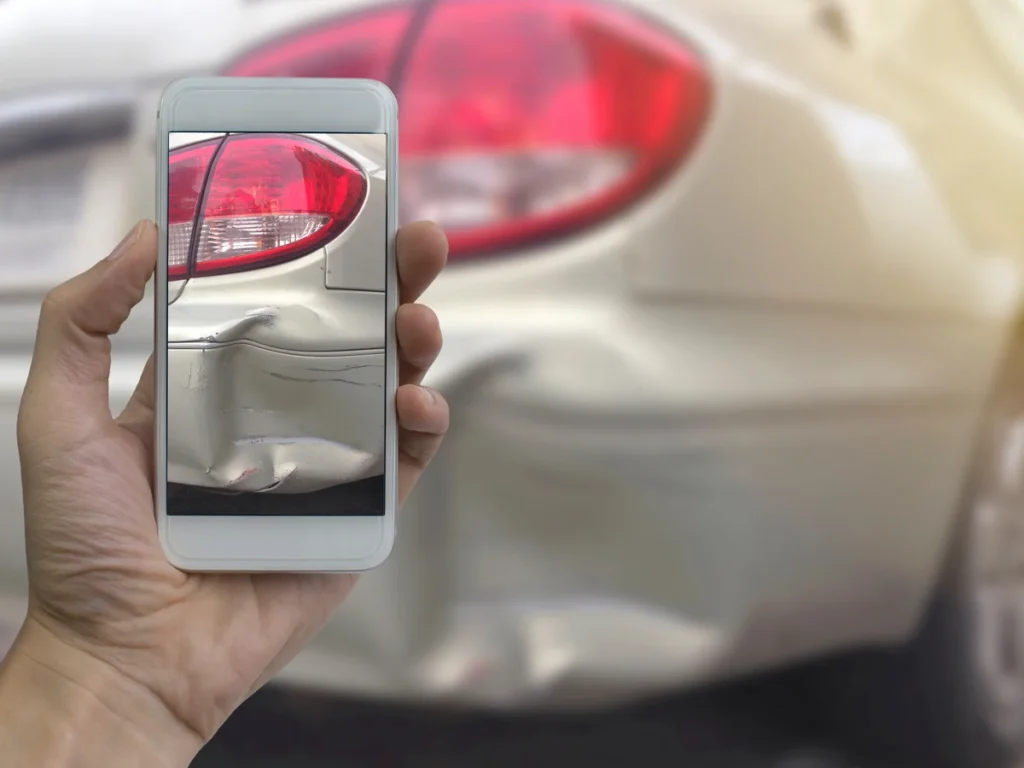
- Take photos of both vehicles, the license plates, the damage, and the surrounding road
- Get the other driver’s name, phone number, insurance information, and plate number
- Collect contact information for any witnesses
- Write down the time, location, and what happened while it is fresh
- Do not admit fault, apologize in a way that sounds like blame, or speculate about who caused it
“Minor” crashes can cause real injuries
A crash that looks small on the outside can still hurt. Whiplash, back strain, and concussions are common even in low speed collisions, and symptoms can take a day or more to appear. If you feel any pain or stiffness, see a doctor. Our guide on whether delayed symptoms after a car accident are common explains why.
Call your own insurance company
Report the crash to your insurer even if you think you were not at fault. Stick to the facts, and keep it short. If the other driver’s insurer calls, you do not have to give them a recorded statement. It is fine to say you are not ready to talk yet.
Repairs, rentals, and diminished value
Even a small claim has several pieces: repair estimates, a rental car while yours is in the shop, and sometimes the lost value of a car that is now worth less because of its accident history. Ask the insurer in writing what they will cover. Get your own estimate rather than relying only on the shop the insurer recommends, and keep every receipt. If the other driver is at fault, their insurer may owe you these costs, but it is not always automatic, and the first number is not always the final one.
What if the other driver has no insurance?
Then your own policy matters. Uninsured motorist coverage may help with injuries, and collision coverage or uninsured motorist property damage coverage may help with the car, depending on your policy. This is one more reason to get the other driver’s name, plate, and contact details at the scene, and to call the police.
When you probably do not need a lawyer
Plenty of minor crashes can be handled without one. You may be fine on your own if:
- Nobody was hurt, and you feel completely fine a few days later
- Fault is clear and the other driver’s insurer accepts responsibility
- The only issue is repairing your car, and the estimate is straightforward
That is not a knock on lawyers. It is just the honest answer. A lawyer is not necessary for every scuff.
When it is worth a call
On the other hand, it is smart to talk to an attorney if:
- You or a passenger were hurt, or symptoms are showing up later
- The other driver is blaming you, or the story keeps changing
- The other driver is uninsured or underinsured
- An insurance adjuster is pushing for a quick settlement or a recorded statement
- You have missed work or have medical bills piling up
- The other driver was drunk, distracted, or reckless
Insurers do not always treat small claims fairly, and they know a lot of people accept the first number. Our post on why insurance companies try to minimize your claim explains the playbook.
Three small crashes, three different answers
The parking lot tap. Two cars bump while backing out, nobody is hurt, and both drivers agree on what happened. Exchange information, take photos, and report it to your insurer. A lawyer is probably not needed.
The red light rear-end. You are stopped when another car taps you from behind. You feel fine at first, then your neck gets stiff the next morning. This is the one to take seriously. See a doctor, keep records, and think carefully before accepting any quick offer.
The story that changes. The other driver agreed it was their fault at the scene, then says you stopped suddenly. A police report, photos, and witness information become very important here, and it is a good time to talk to an attorney.
Fault still matters
Even in a small crash, who is at fault decides whose insurance pays. Colorado uses modified comparative fault, which can reduce what you recover based on your share of blame. If you want to see how fault is figured out, our guide to who is at fault for a car accident is a good place to start.
Common mistakes after a small crash
- Saying “I’m fine” at the scene and later finding out you are not
- Skipping the police report or photos because it seemed minor
- Settling quickly before you know your car repair costs or your injuries
- Posting about the crash online
For a longer list, read common mistakes people make after an accident that hurt their claim.
Not sure? Ask
If you cannot tell whether your situation needs a lawyer, it is okay to ask. A short conversation can tell you whether you are fine on your own or whether it is worth having someone in your corner. Rector Stuzynski Law Firm is happy to talk it through with anyone in the Colorado Springs area.
This article is general information, not legal advice, and every case is different.
Frequently Asked Questions
Do I have to report a minor car accident in Colorado?
Colorado law requires you to report crashes involving injury, death, or property damage. If police do not respond to a minor crash, you can generally file a report online through the state’s crash reporting system.
What if the other driver asks to skip the police and handle it privately?
Be careful. Without a report and insurance information, you may have trouble later if the driver changes their story or you discover damage or injuries. Calling the police is usually safer.
Should I tell my insurance company about a minor accident?
Yes. Report it even if you were not at fault. Your policy may require prompt notice, and waiting can create problems.
What if I feel fine right after the crash?
Adrenaline can hide pain. Symptoms like neck stiffness and headaches can show up hours or days later, so see a doctor if anything feels off.
Can I handle a minor accident claim without a lawyer?
Often yes, especially when nobody is hurt and fault is clear. If injuries, disputes, or an uninsured driver are involved, it is worth talking to an attorney.
How long do I have to make a claim after a minor crash?
Your insurance policy may require quick notice. For an injury lawsuit after a motor vehicle crash, Colorado generally allows three years, but do not wait.