Not All Repair Shops Are The Same
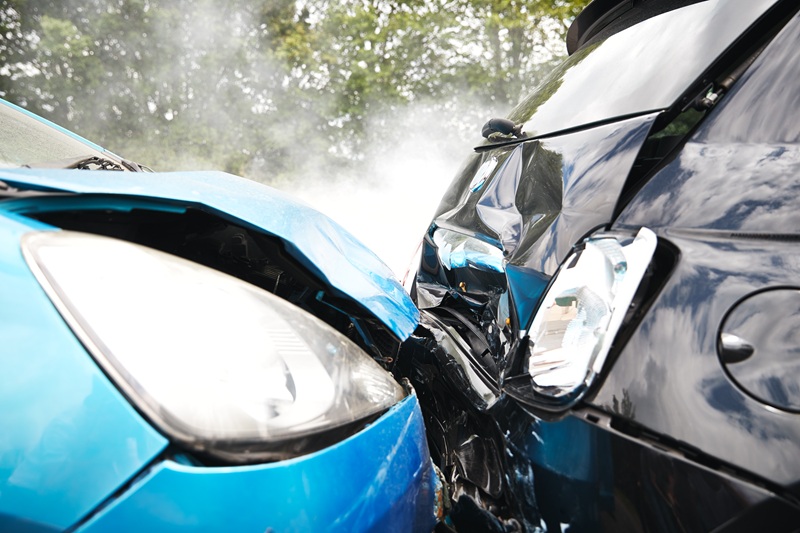
According to the insurance industry, the average driver will file an auto collision claim approximately once every 17.9 years. Over the course of a lifetime behind the wheel, that means most of us will deal with the aftermath of at least two or three crashes. Not all of those will be serious — only about 3 out of every 1,000 auto collisions involve a fatality. But even a relatively minor crash can leave you staring at a damaged vehicle, unsure of what to do next and feeling the pressure of insurance companies, repair estimates, and an unfamiliar process pushing in from all sides.
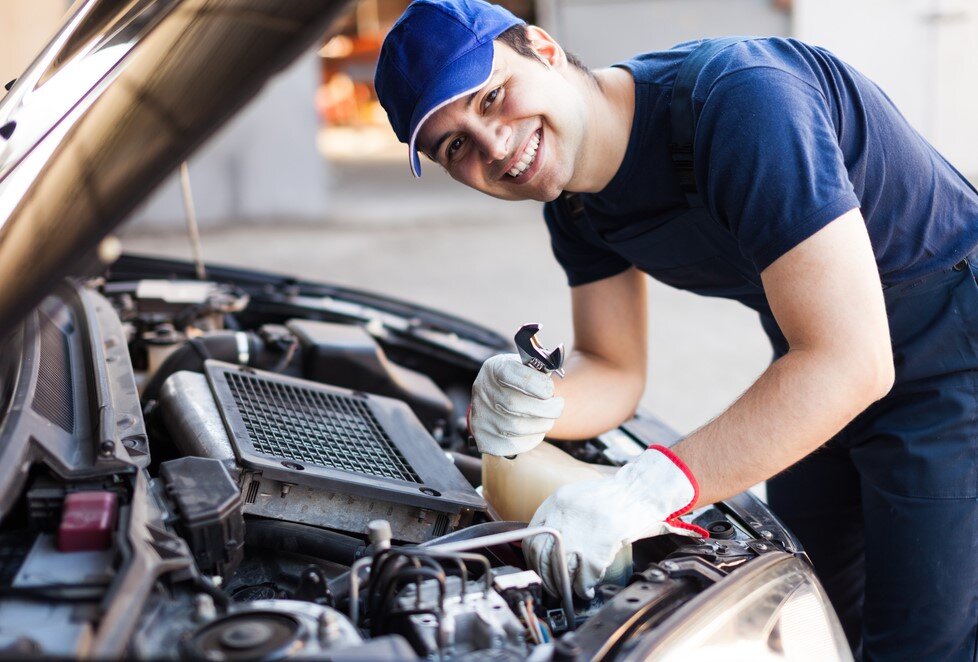
One of the most important and often overlooked decisions you will make after a crash is choosing where to get your vehicle repaired. That decision can affect not only the quality of the repair but, in some cases, your safety on the road afterward.
Your Insurance Company May Try To Steer You
Estimates from one body shop to the next can vary widely. One shop might quote you $800 while another quotes $2,400 for what appears to be the same damage. That kind of variation can be confusing, and insurance companies know it. Following an accident, your insurer will often attempt to steer you toward their “preferred” or “direct repair” shops. What they may not tell you is that those preferred shops have contracts with the insurance company that impose strict budget limitations on your repairs.
Those budget constraints can compromise the quality of your repair. Preferred shops may be pressured to use non-OEM (non-Original Equipment Manufacturer) parts, reconditioned parts, or even salvage parts to keep costs down. The shops that use the most non-OEM parts tend to receive the highest number of referrals from the insurers they contract with, creating a financial incentive that does not necessarily align with your best interests. Parts and labor are often discounted under these agreements, which can result in a vehicle that is not properly or safely restored to its pre-accident condition.
You Have The Right To Choose Your Own Repair Shop
This is important to know: regardless of what your insurance company recommends, you have the legal right to choose any body repair shop you want. Exercise that right. Here is how to make a smart choice:
- Ask friends, family, and coworkers for recommendations from local shops they have used and trust. Word-of-mouth referrals from people you know are often more reliable than online reviews alone.
- Get estimates from at least two or three shops before making a decision. Compare them carefully — not just the bottom line, but what specific repairs are included, what parts will be used, and what the labor charges look like.
- Do not automatically choose the lowest estimate. If one estimate is significantly cheaper than the others, ask yourself why. It may mean the shop is planning to cut corners on parts, skip certain repairs, or underestimate the work involved.
- Ask whether the work comes with a warranty. A reputable shop should offer at least a one-year warranty on their work, and many offer longer. If a shop cannot or will not warranty their repairs, that is a red flag.
- Ask specifically whether OEM parts, aftermarket parts, or used/reconditioned parts will be used. OEM parts are made by the original vehicle manufacturer and are generally the gold standard for fit and safety. Aftermarket parts can sometimes be comparable in quality, but you should know what you are getting.
- Trust your gut. If the shop is disorganized, the staff seems dismissive of your questions, or the owner appears resentful when you ask for specifics, move on. A quality shop welcomes informed customers.
Navigating The Insurance Company’s Estimate Process
The process varies depending on your situation, but here is a general overview of how it typically works:
- If the accident was not your fault and your vehicle is drivable, contact the at-fault driver’s insurance company. They will arrange an estimate for the necessary repairs, either by sending an estimator to your location or asking you to bring the vehicle to them.
- If the insurance company does not have a local estimator, they may ask you to obtain two or three estimates from local shops and will then issue a check based on their review of those estimates.
- Once you receive an estimate from the insurance company, take your vehicle to several body shops for independent estimates and compare them to what the insurer is proposing to pay.
- If a body shop tells you the insurance company’s estimate is not sufficient to cover the necessary repairs, have the shop manager contact the insurance company directly to explain the gap. Reputable shops handle this kind of negotiation regularly. The insurer may issue a supplemental payment to cover the difference.
- If your vehicle was towed to a salvage yard following the crash, arrange to have it moved to your chosen body shop as quickly as possible. Storage fees at tow yards and salvage facilities can add up quickly, and that cost typically falls on you.
When Insurance Companies Are Not Playing Fair
Insurance companies have an obligation to handle your claim in good faith under Colorado law. If your insurer is delaying your claim without reason, pressuring you into a repair shop you do not want to use, refusing to pay for necessary repairs, or otherwise not honoring your policy, you may be dealing with bad faith insurance practices. Colorado Revised Statute 10-3-1115 requires insurers to act in good faith, and Colorado Revised Statute 10-3-1116 allows policyholders to pursue twice the benefits owed when an insurer unreasonably delays or denies a valid claim.
You should also never accept a settlement offer for vehicle damage or injuries without understanding what to ask before accepting and making sure the amount truly covers your actual losses, including any future expenses related to the crash.
Contact Our Colorado Springs Car Accident Attorneys
If you have questions about the repair process for your vehicle or are having difficulty getting your insurance company to pay fairly, an experienced attorney can be your advocate. At Rector Stuzynski Law Firm, our Colorado Springs car accident attorneys have the experience and resources to fight for the maximum compensation our clients deserve. Call us today at (719) 578-1106 for a free consultation. We are available 24/7 and ready to help.