Driving Can Be Fatal If Reckless
A tragic accident left one University of Colorado student, 21, dead in 2015, and two of her companions seriously injured. Law enforcement that responded to the scene believed that sleep deprivation, substance abuse, and high speed contributed to the deadly crash. The driver was found guilty and sentenced. This case serves as a sobering reminder of how quickly a preventable decision behind the wheel can destroy multiple lives.
Recounting The Accident
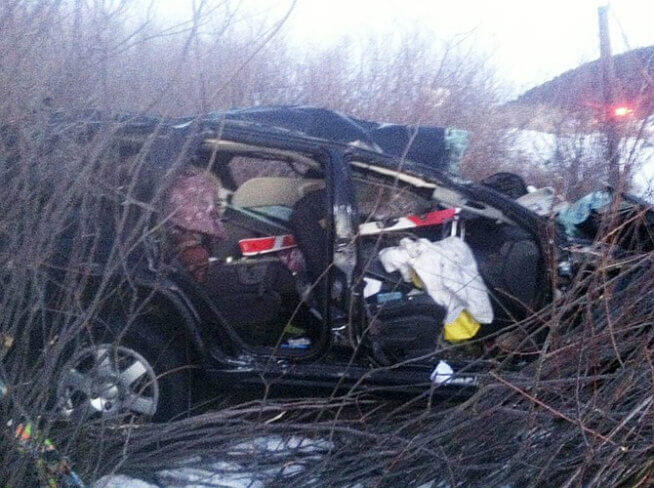
The accident took place at 4:10 PM on a Sunday, between Steamboat Springs and Milner, as noted by Trooper Lewis of the Colorado State Patrol. Lewis stated that the driver, a 23-year-old man, was operating a 2008 Jeep SUV on US 40 East when he lost control of the vehicle and veered off the left side of the highway.
After leaving the highway, the vehicle dipped into an embankment, climbed another, and rolled twice before settling upright. A female passenger was ejected during the crash, likely because she was not wearing a seat belt. While a passerby attempted to revive her with CPR, she was pronounced dead at the scene.
Another female passenger had to be extracted from the vehicle by emergency responders. Along with the driver, she was transported to Yampa Valley Medical Center. Both were wearing their seat belts and sustained serious injuries, but were eventually released from medical care without long-term physical impairment from the auto accident. The contrast in outcomes between the belted and unbelted passengers is a stark illustration of why seat belts save lives.
As Lewis noted, the vehicle’s speed, the driver’s suspected sleep deprivation, and drug impairment were all considered contributing factors in this heartbreaking case. A spokesperson from the University of Colorado confirmed that the driver and both passengers were students at the state university.
Driver Sees His Day In Court
The driver pled guilty after being charged with two felony counts of vehicular homicide as well as two counts of felony vehicular assault in a plea deal offered by the prosecutor.
In a drug test following the incident, he was found to have cocaine and anti-anxiety prescriptions in his system. He also tested positive for cannabis use at 8.3 nanograms per ml of blood — well above Colorado’s statutory five-nanogram limit, according to Judge Shelley Hill of the District Court.
He wept during the hearing, during which he received a four-year prison sentence, despite his attorney and the victim’s family’s pleas for leniency from the court. Even as the family asked the judge to be lenient on the young man, the parents still expressed their profound anger and grief over what happened.
He stated, “I do not deserve their forgiveness, and I cannot forgive myself. It feels I am lost with no path to follow.”
A Case With No Winners
An accident such as this is catastrophic all around. A young woman lost her life, a family lost their daughter, and a young man will spend the rest of his life in regret. While guilt in this situation was by admission, not all auto accidents are so clear-cut. The circumstances surrounding a crash — impairment, speed, road conditions, seat belt use — can all affect how fault is determined and how the legal aftermath unfolds.
It’s also worth noting that in cases involving wrongful death, surviving family members have the right to pursue civil action separate from any criminal proceedings against the at-fault driver. A criminal conviction does not automatically resolve the civil side of a case, and families often need experienced legal counsel to navigate both processes simultaneously.
The Broader Problem: Impaired And Reckless Driving In Colorado
This case is unfortunately not an isolated incident. Impaired driving — whether from alcohol, prescription medications, cannabis, or other substances — continues to be one of the leading causes of fatal accidents on Colorado roads. Colorado’s cannabis legalization has brought with it ongoing debates about impairment thresholds and enforcement, and cases like this one illustrate just how serious the consequences can be when drivers get behind the wheel under the influence.
Sleep deprivation is another underappreciated danger. Studies have shown that driving after being awake for 18 hours produces impairment comparable to a blood alcohol level of 0.05%, and 24 hours without sleep is comparable to 0.10% — above the legal limit. Combined with substances and excessive speed, the result can be deadly.
If you have lost a loved one in a crash caused by an impaired or reckless driver, or if you have been seriously injured in an auto accident, you deserve to have a knowledgeable legal team in your corner. Understanding your rights, the statute of limitations that applies to your case, and what damages you may be entitled to recover are all critical first steps.
Rector Stuzynski Law Firm is here to answer any questions you may have and ensure all parties involved are treated fairly while justice is served. Call us anytime at (719) 578-1106 for a free consultation.