A Guide To Staying Safe This Winter
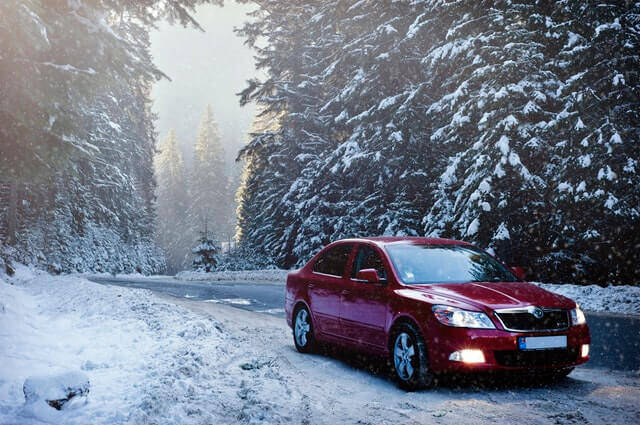
As we transition to winter here in the Colorado Rockies, the roads will continue to become more dangerous for inexperienced and experienced drivers alike. Every year, thousands of individuals get into avoidable wrecks on our roadways, but the good news is that a bit of preparation can do wonders for your safety and the safety of others this winter. Let’s explore a few ways you can get your car and yourself ready for the colder months ahead.
1. Do Some Basic Winterizing
If you’re not used to living in an alpine climate, you should know that Colorado winters can be a very real threat to your car’s internal systems. Having your car serviced by a professional before the season hits can help you get ahead of potential problems. Here are a few things to take care of before the snow starts flying:
- Check all fluids and ensure they are filled to proper levels, including antifreeze, brake fluid, and windshield washer fluid rated for freezing temperatures.
- Have a mechanic do a once-over on your engine to make sure everything is working as intended.
- Check the battery — cold weather is notoriously hard on batteries, and a weak one that barely starts in October may not start at all in January. Clear away any corrosion with a paste of water and baking soda.
- Use winter or all-season oil appropriate for low temperatures.
- Ensure your tires are properly inflated. Tire pressure drops roughly one PSI for every 10 degrees of temperature decrease, so check them regularly throughout the season. If you drive in the mountains frequently, snow tires can make a significant difference in traction and control.
- Switch to winter wiper blades to improve visibility during snow and ice storms.
- Test your heater and defroster to make sure both are working properly before you need them.
2. Do A Bit Of Planning Before You Drive
Colorado’s weather can famously change from calm and sunny to a full-on blizzard in a matter of hours — sometimes faster. Before any long trip, check the weather forecast and road conditions. CDOT’s cotrip.org is a great resource for real-time road conditions, closures, and camera footage across Colorado’s major highways. Even if the forecast shows clear skies when you leave, prepare for the worst. Know your route and be mindful of any mountain passes or roads that may become closed or require chains in inclement weather.
It’s also worth noting that Colorado has a law requiring drivers to have adequate tires or traction devices on certain roads during winter conditions. Violating traction laws can result in fines and, more importantly, puts you and others at serious risk. If conditions are bad enough that you’re unsure whether it’s safe to drive, it’s usually best to wait it out.
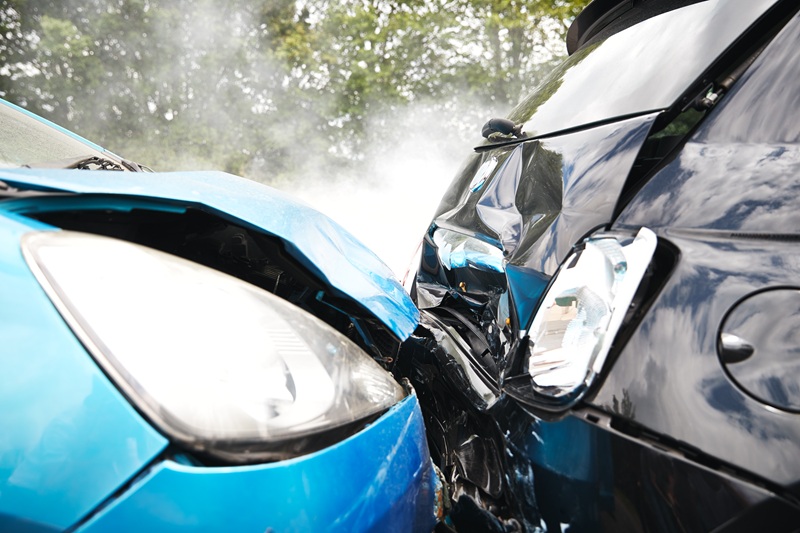
If you do end up in an accident despite your best preparations, reach out to our Colorado Springs auto accident attorneys right away. We can help you sort through all of your options and make sure your rights are protected from the start. Knowing what to do after a car accident that isn’t your fault can make a big difference in the outcome of your claim.
3. Make A Survival Kit For Emergencies
In Colorado, getting stranded in a winter storm is a real possibility — especially if you travel on mountain roads or rural highways. Always keep emergency supplies in your vehicle so you’re prepared if you get stuck, slide off the road, or have to wait for help in freezing temperatures. Here are the items we recommend keeping in your car at all times during winter:
- Basic first-aid kit
- Candles and matches or a lighter
- Water (at least one gallon per person)
- Dried foods, protein bars, or other nonperishables
- Jumper cables or a portable jump starter
- Hand warmers
- Tow rope or tow strap
- Warm blankets and extra clothing
- Cell phone charger or portable power bank
- Snow scraper and small shovel
- Flashlight with extra batteries
- Sand or kitty litter for traction if you get stuck
- Fire starter or road flares
4. Know How To Drive In Winter Conditions
Even with a fully prepared vehicle, how you drive in winter weather makes all the difference. Slow down — posted speed limits are for ideal conditions, and driving at those speeds on icy or snow-packed roads dramatically increases your risk of losing control. Increase your following distance significantly, since it takes much longer to stop on slippery surfaces. Accelerate and brake gently to avoid skidding, and if you do start to skid, steer in the direction you want to go rather than overcorrecting.
Black ice is one of the most dangerous winter road hazards in Colorado, particularly on bridges, overpasses, and shaded areas of roadway. It’s nearly invisible and can appear even when temperatures are above freezing if road surfaces are colder than the air. Always assume bridges and shaded spots may be icy, even when the rest of the road seems fine.
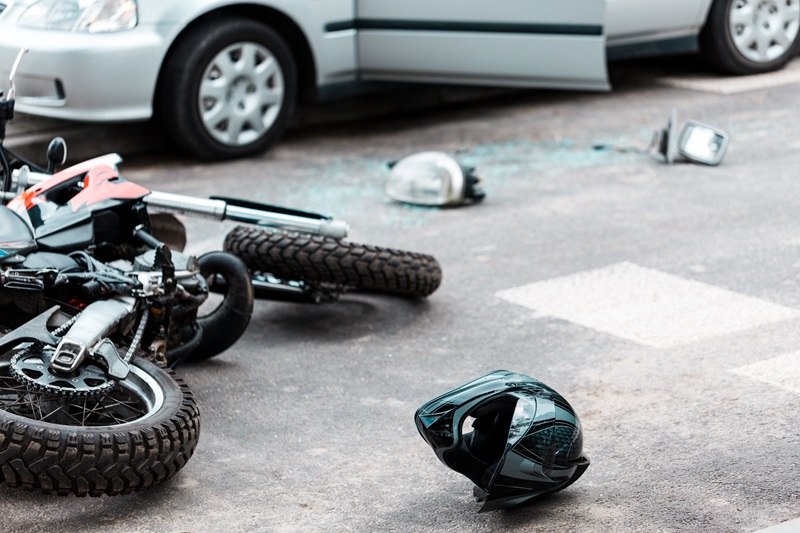
Winter driving accidents are unfortunately common in Colorado, and they can lead to serious injuries, significant vehicle damage, and complicated insurance claims. If you or someone you love has been hurt in a winter weather accident caused by another driver’s negligence, understanding what damages you may be entitled to recover is an important first step. You should also be aware of the statute of limitations for car accident claims in Colorado so you don’t miss your window to file.
From all of us at Rector Stuzynski Law Firm, please drive carefully this winter and stay safe out there. If you do find yourself in an accident, we are available 24/7 to help. Give us a call at (719) 578-1106 for a free consultation with our Colorado Springs car accident attorneys.