

Personal injury cases require experience, strategy, and persistence. Our attorneys represent clients in serious injury claims, handling everything from investigation to negotiation and, when necessary, litigation.
Have questions about your case? Let our team take a look. We’ll help you understand your rights and what to expect, so you can make informed decisions.
(719) 578-1106
In the unfortunate event that you are injured on someone else’s property due to a lack of care or maintenance, this may result in a premises liability claim. Property owners have a responsibility to keep their property in a reasonably safe condition when the public is permitted to use it.
This includes hazards such as snow on sidewalks, broken stairs, falling debris, wet floors, and more. If someone is injured due to these conditions, the property owner may be held liable if the issue should have been addressed prior to the injury.
Many first-time property owners are unaware of their responsibility to maintain safe conditions, especially in areas with heavy snowfall. For example, most jurisdictions allow up to 24 hours to clear sidewalks after snowfall. Failing to do so can lead to slip and fall accidents.
Other common hazards include broken handrails, unsafe elevated areas, hanging gutters, damaged furniture, unmarked wet floors, and other dangerous conditions in both residential and commercial properties.
Premises liability can take many forms. While this is not an exhaustive list, here are some of the most common cases we handle:
Property owners are responsible for maintaining safe conditions or clearly warning visitors of potential hazards. This is why warning signs, such as wet floor signs, are commonly used to reduce liability.
If you are injured on another person’s property, the property owner may be liable if they had a duty to maintain the area and failed to do so. However, injuries sustained while trespassing generally do not qualify for a claim.
Public areas such as sidewalks and commercial spaces must be properly maintained. If you are injured in an area where you were legally allowed to be, you may have a valid claim.
In most cases, compensation is paid through the property owner’s insurance. If coverage is insufficient or unavailable, the property owner may be personally responsible.
To establish liability, you must show that you were legally on the property and acting reasonably at the time of the incident. For example, ignoring clearly posted warning signs may weaken a claim, while unmarked hazards may strengthen it.
There must also be measurable damages, such as medical expenses, lost wages, or other financial losses. Minor injuries without financial impact typically do not result in valid claims.
Each case is unique, but generally, you must prove that the property owner had a duty to maintain safe conditions and failed to do so.
If the property owner knew about a dangerous condition and failed to address it, this may constitute negligence. However, if the owner was unaware of the issue, liability may be more difficult to establish.
Property owners are expected to either fix hazards promptly, clearly warn visitors, or restrict access until repairs are made.
Compensation in premises liability cases is typically divided into two categories:
These include measurable financial losses such as medical bills, lost wages, therapy costs, and property damage.
These include intangible losses such as pain and suffering, emotional distress, disfigurement, and loss of quality of life. These are often calculated using a multiplier based on the severity of the injuries.
In Colorado, you generally have two years from the date of the injury to file a claim. It is important to act quickly, as delays can result in lost evidence and weakened witness testimony.
Physical evidence may disappear, memories may fade, and documentation can be lost over time. Acting promptly gives you the strongest chance of building a successful case.
If you have been injured due to a property owner’s negligence, you may be entitled to compensation. Our Colorado Springs premises liability lawyers have decades of experience handling these cases and recovering compensation for our clients.
We will guide you through every step of the process and fight for the best possible outcome. Contact us today for a free consultation to discuss your case and explore your options.
We know that dealing with an injury can bring up a lot of questions. Below are answers to some of the most common concerns we hear from clients. If you don’t see what you’re looking for, our team is always here to help.
(719) 578-1106
A premises liability claim arises when someone is injured on another person’s property due to unsafe conditions. Property owners have a responsibility to maintain reasonably safe conditions or warn visitors of potential hazards. When they fail to do so and someone is injured, they may be held financially responsible.
Premises liability covers a wide range of incidents, including slip and fall accidents, dog bites, broken stairs or handrails, unsafe parking lots, negligent security, and injuries caused by hazardous conditions in stores, restaurants, or other public spaces.
You may have a valid case if you were legally on the property, the owner failed to address a dangerous condition, and you suffered injuries with measurable damages such as medical bills or lost income. Each case depends on the specific facts, so it’s important to have it reviewed by an attorney.
Seek medical attention immediately, document the scene if possible, and report the incident to the property owner or manager. Avoid giving statements to insurance companies before speaking with an attorney, as this can impact your claim.
To prove negligence, you must show that the property owner knew or should have known about the dangerous condition and failed to fix it or provide adequate warning. Evidence may include photos, witness statements, maintenance records, and expert analysis.
You may be entitled to compensation for medical expenses, lost wages, pain and suffering, emotional distress, and other damages related to your injury. The value of your claim depends on the severity of your injuries and the impact on your life.
In most cases, you have two years from the date of the injury to file a claim. However, waiting too long can weaken your case, as evidence can be lost and witness memories can fade. It’s best to speak with an attorney as soon as possible.
Get clear, practical guidance on personal injury cases, insurance claims, and the legal process. Our insights are built to help you understand your rights and make confident decisions after an injury.
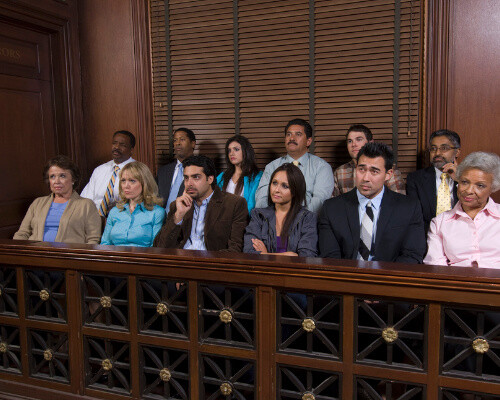
What Happens If My Personal Injury Case Goes to Trial? If you’ve been injured in an accident due to someone else’s negligent actions, you’ll likely

What Is A Medical Lien? A medical lien is a contract between the hospital and the injured person stating that the hospital will cover the
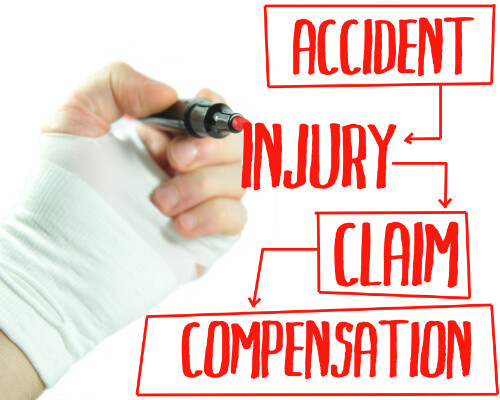
You’re Getting Sued, Now What? Short of physical trauma or an unexpected illness, it is at the top of the list for everyone’s worst nightmare.